In a significant move for gender equality, 33 traditional leaders (Baales) from Alayemore Kingdom in Egbedore Local Government Area, Osun State, have pledged to end harmful traditional practices, especially the Arugba tradition, which negatively affects the well-being and development of young girls.
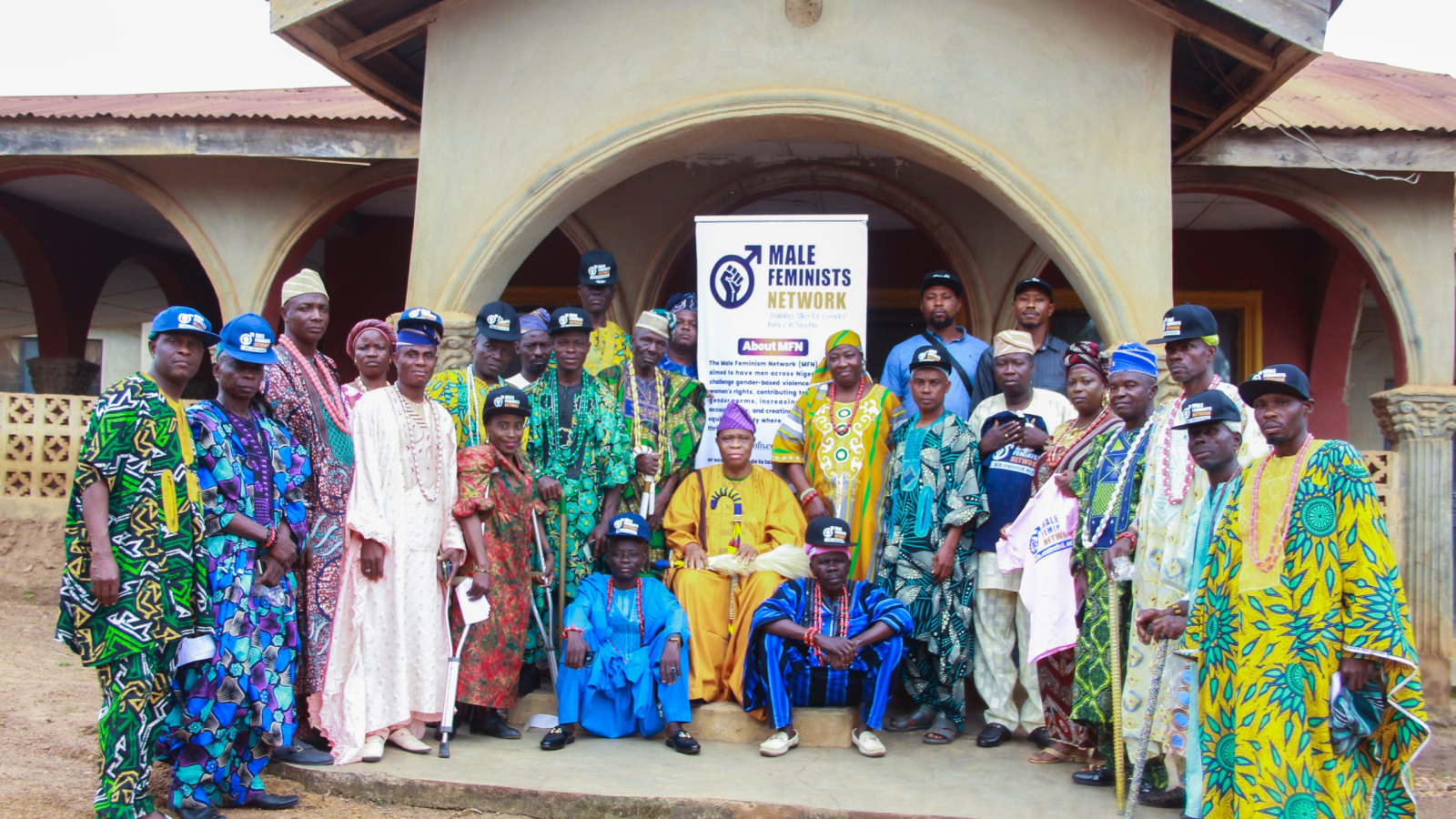
The New Initiative for Social Development (NISD), under the Male Feminists Network (MFN) Project, announced this commitment on 14 August 2026 at a Traditional Norms Reset Meeting, supported by the African Centre for Leadership, Strategy & Development (Centre LSD) and funded by the Ford Foundation led by Oba (Dr.) Emmanuel Babatunde Abidogun Omoweade I, the Olu of Aduramigba, the traditional leaders recognized their responsibility as cultural custodians and agents of change. They pledged to promote gender equality, challenge discriminatory norms, and protect girls and women from gender-based and culturally sanctioned violence.
The Arugba tradition involves selecting young girls to carry ceremonial calabashes during festivals. While it holds cultural significance, concerns have arisen about its impact on the rights and welfare of participating girls. Risks include early marriage, forced pregnancy, social isolation, interrupted education, restricted personal development, exploitation, and discrimination. These outcomes perpetuate gender inequality and limit girls’ potential. In response, the traditional leaders agreed to end the harmful aspects of the practice.
They are committed to raising community awareness about its negative effects, promoting gender-equitable norms, and ensuring girls can pursue education and personal development free from harmful cultural restrictions.
To formalize their commitment, the traditional leaders signed a communiqué calling for the abolition of the Arugba practice. They also pledged to support community initiatives addressing other harmful norms affecting girls and women. This collective action positions traditional leadership and cultural institutions as key drivers of positive, sustainable social change.
This commitment would bring lasting benefits to girls, families, and communities in Alayemore Kingdom. Effective implementation may allow girls to remain in school, pursue their goals, and participate fully in community life. It can also increase awareness among families and community members about the importance of protecting girls’ rights, dignity, and well-being.
This milestone signifies a commitment to abolish harmful cultural practices; it marks a significant step towards gender justice and cultural transformation in Alayemore Kingdom. Sustaining this progress will require continued leadership, sustained community sensitization, effective monitoring of the commitments made, and collective action to ensure that the agreed changes are fully translated into practice. Through this historic commitment, Alayemore Kingdom’s traditional leaders have shown that culture can evolve to preserve community identity and heritage while protecting the rights, dignity, education, well-being, and future of girls and women.
Leave a Comment